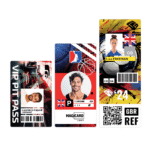
Custom lanyards deliver durable, multicolour ID holders with unmatched bulk reliability for Indian schools.
What Are Custom Multicolour Lanyards?
A custom lanyard is far more than a simple fabric strap; it is a critical component of a school’s overarching identity and security infrastructure. In modern educational environments, the lanyard acts as the primary deployment mechanism for student and staff identification, access control cards, and emergency information.
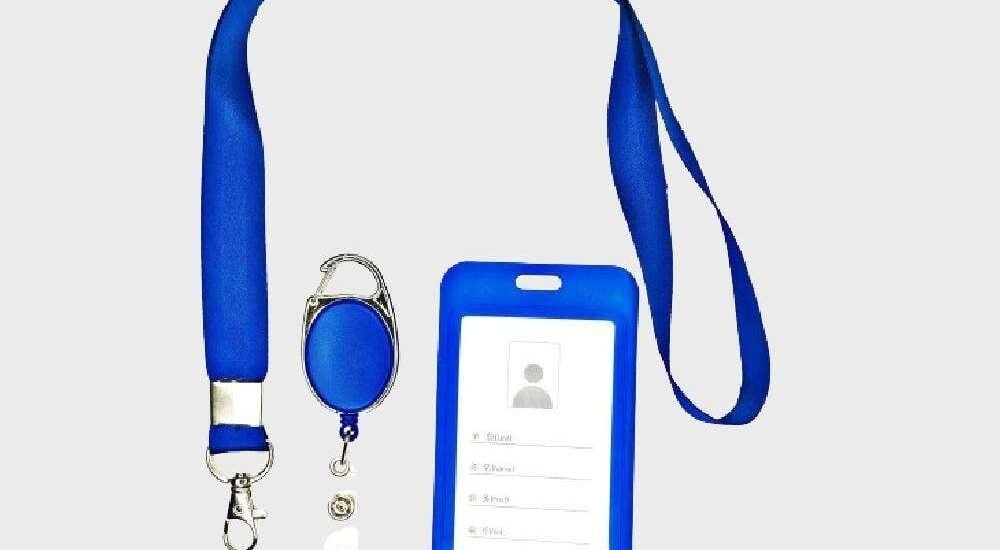
The anatomy of a professional-grade custom lanyard system includes the multicolour printed fabric, a safety breakaway clip at the neck, and an attachment mechanism at the base—often a yoyo badge reel or a standard metal hook. When these components are sourced from disparate vendors, schools frequently encounter mismatched branding and structural failures.
To solve this, industry leaders like Unicard Automation manufacture multicolour lanyards, yoyos, breakaway clips, and the ID cards themselves entirely in-house. This one-roof production model transforms the lanyard from a fragmented accessory into a unified security tool, ensuring that the exact Pantone colours of a school’s crest are perfectly replicated across the fabric, the plastic yoyo casing, and the ID card.
How It Works: The In-House Production Advantage
Understanding how custom lanyards are produced reveals why in-house manufacturing is vital for bulk reliability. The process begins with dye-sublimation printing, a technique where heat transfers dye directly into the fabric’s fibers. This allows for edge-to-edge multicolour designs that will not peel, crack, or fade over a rigorous academic year.
Once the fabric is printed and cut, the hardware integration begins. For schools prioritizing safety, breakaway clips are sewn into the back of the neck loop. These clips are engineered to release automatically under pressure, preventing choking hazards if the lanyard gets caught on playground equipment or during physical activities.
The final stage is the attachment of the ID holder. By utilizing a facility with a 1.5 to 2 lakh daily production capacity, the entire assembly process—from weaving to final hardware attachment—is streamlined. This massive daily throughput is the mechanical engine that allows schools to bypass the notorious supply chain bottlenecks that plague the Indian education sector during peak admission months.
Key Features: Why Integrated Manufacturing Wins
When evaluating ID accessories, school administrators must look beyond unit price and examine the structural and logistical features of the tool. Fragmented sourcing often leads to mismatched colours and delayed shipments. An integrated manufacturing approach offers several distinct advantages.
Perfect Colour Consistency
Because Unicard Automation produces the cards, lanyards, and yoyos alongside one another, the colour calibration is centralized. A school’s specific navy blue or maroon will match perfectly across the dye-sublimated fabric, the plastic yoyo shell, and the PVC ID card. This level of consistency is nearly impossible to achieve when sourcing components from three different factories.
Yoyo Badge Reels vs. Standard Lanyards
| Feature | Standard Lanyard | Yoyo Badge Reel |
|---|---|---|
| ID Position | Fixed length | Retractable cord |
| RFID Tap-in Use | Cumbersome | Quick pull-and-snap |
| Lost Card Risk | Higher | Lower |
| Queue Speed | Slower | Faster at checkpoints |
Yoyo badge reels feature a retractable cord mechanism. This allows students to pull their ID card toward a scanner and let it snap back securely into place without removing the lanyard from their neck. This reduces lost cards and speeds up queue times at campus checkpoints.
Safety Breakaway Clips
A non-negotiable feature for primary and secondary education is the breakaway clip. Standard continuous-loop lanyards pose a significant safety risk in active environments. Breakaway clips ensure the tool fails safely under tension, protecting the student while allowing the lanyard to be easily snapped back together afterward.
Best Use Cases: When and Where to Deploy
Custom multicolour lanyards and yoyos are most effectively deployed during specific operational windows and within distinct environments. Understanding the “when” and “where” ensures maximum return on investment for educational institutions.
Peak-Season Academic Kickoffs
The most critical deployment window is the pre-academic year rush, typically between March and July in India. During this period, schools onboard thousands of new and returning students. Relying on low-capacity vendors during this window guarantees peak-season delays, leaving students without proper identification for weeks. Utilizing a partner with a 1.5–2 lakh daily capacity ensures that even massive, last-minute bulk orders are fulfilled before the first bell rings.
Large-Scale Educational Events
Beyond daily campus life, custom lanyards are essential tools for inter-school sports meets, science fairs, and university symposiums. Event coordinators require rapid turnaround times for colour-coded lanyards to distinguish between participants, volunteers, staff, and VIPs. The dye-sublimation process allows for rapid switching of multicolour designs to accommodate complex event hierarchies.
Who Should Use This Tool?
This integrated sourcing model is designed specifically for school administrators, campus security directors, and bulk buyers who manage populations ranging from 500 to 50,000 students. It is not intended for individuals seeking single, personalized novelty lanyards, as the true value of the tool is unlocked at scale.
Getting Started: Sourcing for Your Institution
Transitioning to a unified, in-house manufactured lanyard system requires a structured onboarding approach. School administrators should follow these steps to ensure a seamless rollout.
- Define Brand Guidelines: Gather your institution’s exact Pantone or CMYK colour codes. Because the manufacturer handles both the card and the lanyard, providing precise codes ensures the multicolour printing is perfectly synchronized across all materials.
- Select the Hardware Stack: Determine the functional needs of your student body. If your school uses tap-and-go smart cards, specify the inclusion of yoyo badge reels. For all student-facing deployments, mandate the inclusion of safety breakaway clips.
- Forecast Volume and Timeline: Calculate your total student and staff headcount, adding a 10% buffer for mid-year replacements. Submit this volume to the manufacturer well in advance of the academic year, leveraging their high daily capacity to lock in guaranteed delivery dates.
- Request a Unified Proof: Before full production begins, request a physical or high-fidelity digital proof that shows the ID card, the yoyo, and the lanyard assembled together. This is the moment to verify that the one-roof production has achieved the desired colour consistency.
Success Examples: Outcomes of Reliable Bulk Sourcing
The tangible benefits of utilizing a high-capacity, integrated manufacturer become evident when examining the outcomes experienced by large educational trusts and multi-branch schools in India.
Historically, a prominent school group with 15,000 students across five branches struggled with a fragmented supply chain. They sourced ID cards from a local printer and lanyards from a wholesale market. The result was a four-week delay during the peak admission season, leaving thousands of students unidentifiable, alongside glaring colour mismatches between the school’s logo on the card and the fabric of the lanyard.
By shifting to an in-house manufacturer like Unicard Automation, the school group leveraged the 2-lakh daily production capacity to receive their entire order in a fraction of the time. The integration of yoyo badge reels streamlined their new RFID attendance system, reducing morning entry queues by 30%. Most importantly, the one-roof production model guaranteed that the school’s signature colours were perfectly consistent across every single student’s chest, drastically elevating the institution’s professional appearance and campus security.
Frequently Asked Questions
What is the difference between a standard lanyard and a yoyo badge reel?
A standard lanyard holds an ID card at a fixed length, which is ideal for simple visual identification. A yoyo badge reel contains a retractable cord, allowing the user to pull the ID card outward to scan it at an RFID reader without removing the lanyard from their neck. Yoyos are highly recommended for schools with tap-in attendance systems.
Why is colour consistency difficult to achieve in school IDs?
Colour consistency fails when schools source components from different vendors. A fabric printer, a plastic yoyo manufacturer, and a PVC card printer use different inks, materials, and calibration standards. Sourcing from a single in-house manufacturer ensures all components are colour-matched under one roof.
How do breakaway clips improve student safety?
Breakaway clips are safety mechanisms installed at the back of the lanyard’s neck loop. If the lanyard gets caught on a piece of machinery, a door, or playground equipment, the clip automatically snaps open under pressure, preventing the risk of choking or neck injury.
How can schools avoid peak-season delivery delays?
Peak-season delays (typically May to July in India) occur when schools rely on low-capacity vendors who become overwhelmed by bulk orders. Schools can avoid this by partnering with manufacturers that boast a high daily production capacity (e.g., 1.5 to 2 lakh units per day) and handle all assembly in-house.
Sources & References
- Eco-Friendly Lanyard – Custom Polyester Neck Strap with Card …
Safety Breakaway Clasp: Automatically releases under sudden tension, significantly reducing choking hazards, especially important in schools, hospitals, or
Powered by 42flows